
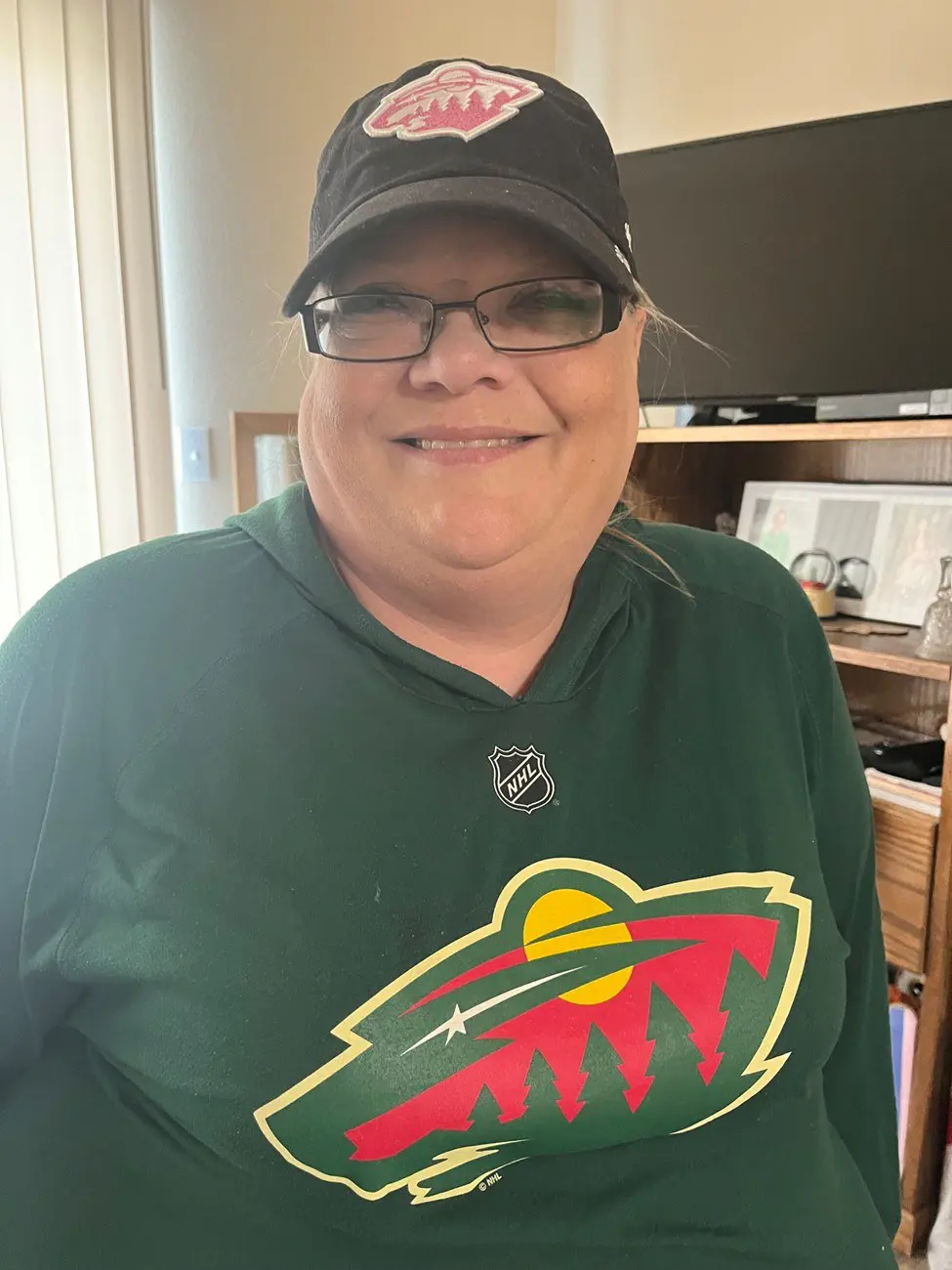
What began as a small bruise on Sara’s leg during Labor Day weekend of 2024 quickly turned into a life-changing medical crisis.
“At first, I was worried about a blood clot,” Sara recalled. “But it just kept getting worse.”
Within weeks, Sara found herself hospitalized with severe pain, wounds that would not heal, kidney failure requiring dialysis, and eventually a diagnosis so rare that many people, including some healthcare professionals, had never encountered before: calciphylaxis.
Calciphylaxis is a rare and serious condition most commonly associated with end-stage kidney disease and dialysis. In Sara’s case, doctors explained that her condition was especially unusual because of her age and how rapidly it progressed.
“It normally doesn’t happen in people my age,” Sara said. “It’s pretty rare for my circumstances.”
Over the following months, Sara endured an extraordinary medical journey that included multiple hospitalizations, surgeries, wound care treatments, dialysis, oxygen support, and rehabilitation stays in Fargo, Grand Forks, and the Twin Cities. At one point, doctors discussed palliative care options due to the severity of her condition.
But Sara was determined to keep fighting. “In my mind, I thought, ‘I’m not going out like this,’” she said.
As doctors continued searching for ways to help her heal, Sara became one of only a small number of patients to receive an innovative wound treatment using grafts made from North Atlantic cod skin. The specialized treatment, designed to help support healing in complex calciphylaxis wounds, involved carefully preparing and dressing the wounds with fish skin grafts. The treatment proved successful and became a major turning point in Sara’s recovery journey.
Finding a way home
After spending months in medical facilities, Sara was eventually referred to the Money Follows the Person (MFP) program and Freedom Resource Center. The program helps individuals transition from institutional settings back into the community with the appropriate supports needed to live independently.
Working with Transition Coordinator Irina and Housing Facilitator Jill, Sara was able to secure an accessible apartment close to her medical providers and dialysis appointments. Through MFP, she also received assistance with furniture, household setup, and transition supports to help her start over safely and comfortably after such a long hospitalization.
“You guys are awesome. You got me this great apartment, and it’s so close to everything. The new furniture and having a fresh start after being in a facility for so long, I was ready to take my life back a little bit.”
Sara
Today, Sara continues to manage dialysis and ongoing medical treatment while rebuilding her independence at home. Adaptive equipment in her apartment, including shower seating and bathroom supports, has helped her safely navigate daily life while continuing to heal.
Sara hopes more people learn about programs like MFP, especially individuals who may feel stuck in long-term care settings without realizing community transition services exist.
“I think people just don’t know about it,” she said. “There were other people in the facility who had never heard of programs like this.”
While Sara’s recovery journey is ongoing, her determination, humor, and perseverance continue to shine through. Her story is a powerful reminder of the importance of community-based supports and of the resilience people can show even in the face of overwhelming medical challenges.
Interested in moving from a facility back to your own home? Learn more about Transition Services or contact your local Freedom office.